
How to Winterize Your Backyard Gardens and New Sod
If there is one thing homeowners in The GTA understand perfectly, it is how quickly our vibrant, warm summers transition into freezing winter months. The short warm season means our outdoor spaces take a beating from extreme seasonal fluctuations. When the crisp autumn air arrives, many property owners wonder how to safeguard the investment they've made in their outdoor living spaces. Proper winter preparation is the secret to ensuring that when the snow finally melts, your yard bounces back healthier and greener than ever.
Whether you have just invested in professional landscaping services to revamp your yard or you have spent the summer meticulously tending to established flower beds, the work isn't quite done when the leaves start falling. Failing to prepare your yard can lead to costly replacements and delays when spring arrives. By taking the right steps now, you can protect delicate root systems, prevent diseases, and set your property up for a stunning display next year.

Protecting Newly Laid Sod Before Winter
One of the most common questions we hear from clients who have recently upgraded their lawns is how to care for their fresh grass before the deep freeze sets in. Protecting newly laid sod before winter is crucial because the shallow root systems haven't had a full year to establish themselves deep into the soil.
First, continue watering your new sod until the ground freezes. Even though the temperatures are dropping, those young roots still need moisture to build strength. However, be mindful of local water restrictions and soil drainage; you want the soil moist but not waterlogged. As the final mow of the season approaches, gradually lower your mower blade. Leaving the grass too long under a heavy blanket of snow is a primary culprit for winter lawn damage and snow mold. This fungal disease thrives under snow cover, leaving unsightly gray or pink circular patches on your lawn in the spring. A shorter cut prevents the grass from matting down and restricts the damp environment that snow mold loves.
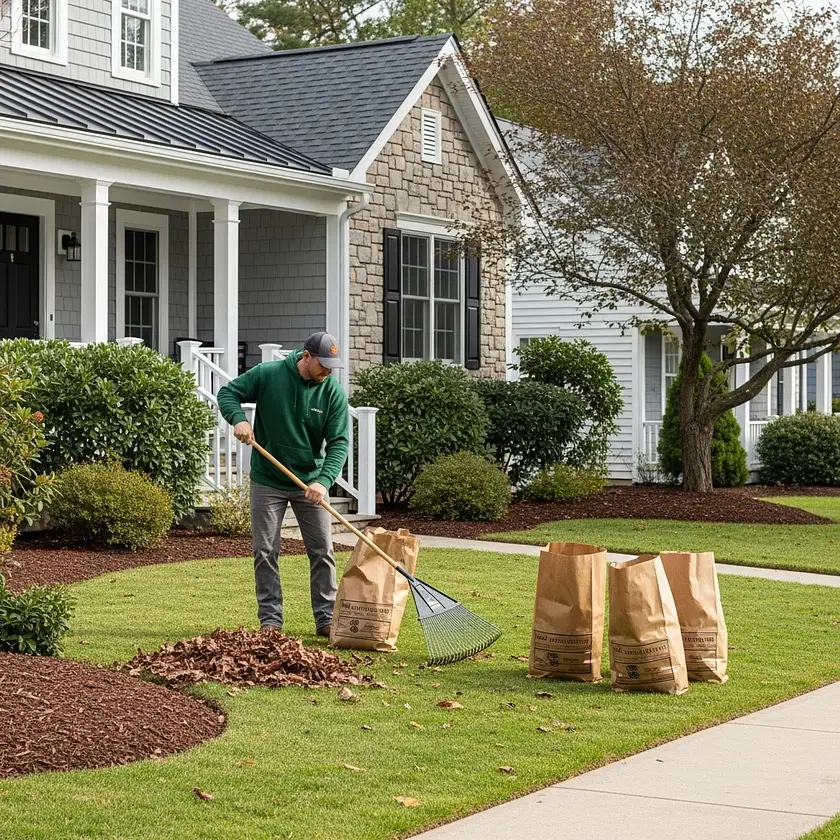
Finally, make sure your lawn is entirely clear of fallen leaves. A thick layer of wet leaves will smother your new sod, blocking essential sunlight and trapping moisture, which practically guarantees disease and die-off.
How to Prepare Garden Beds for Winter Freeze
Transitioning your gardens for winter involves a mix of strategic pruning, cleaning, and insulating. Knowing how to prepare garden beds for winter freeze will save you time and money, especially when dealing with the fluctuating costs of imported plants and soil materials.
Start by cutting back perennials that are prone to disease, but consider leaving native plants with strong seed heads intact. Not only do these provide beautiful winter interest when dusted with snow, but they also feed local bird populations. Next, remove any diseased foliage from the garden completely; do not compost it, as the pathogens can survive the winter and reinfect your garden next year.
The most important step for your garden's winter survival is insulation. A generous fall mulch application for perennial root protection acts as a heavy blanket for your soil. Applying a two to three-inch layer of organic mulch regulates the soil temperature. In our climate, the constant freeze-thaw cycles can cause the ground to heave, literally pushing shallow-rooted plants out of the soil and exposing their roots to freezing air. Mulch prevents this heaving, retains essential moisture, and breaks down over time to enrich the soil for spring.
If you need assistance designing resilient outdoor spaces or choosing the right native plants for low-maintenance beauty, our Gardens & Sod services are tailored to thrive in our specific regional climate.
Trust the Experts to Protect Your Investment
Winterizing your yard is a critical step in preserving the beauty and structural integrity of your landscaping. It requires time, physical effort, and an understanding of horticultural best practices. For homeowners balancing busy schedules, managing these seasonal transitions can be overwhelming.
At Earthstone Landscapes, our focus is on professionalism, quality, and clear client communication. We understand the local climate, municipality bylaws, and the exact steps needed to protect your property from harsh winter elements. If you want to ensure your outdoor spaces are perfectly prepped for the cold season, let our experienced team handle the heavy lifting.
Ready to get your yard winter-ready or start planning a stunning new project for the spring? Contact us today to discuss your needs and secure your spot on our schedule.